The first stone came off the top of the wall at 7.50 on Monday morning, 17 August, and it sounded like someone dropping a sack of coal onto a pavement. Then a long scrape, then a silence, then the waller saying "right" to nobody in particular. I was at the kitchen window in my dressing gown with a mug of tea, and I stayed there for about twenty minutes, which I think was the first time in two months I had stopped worrying about that wall.
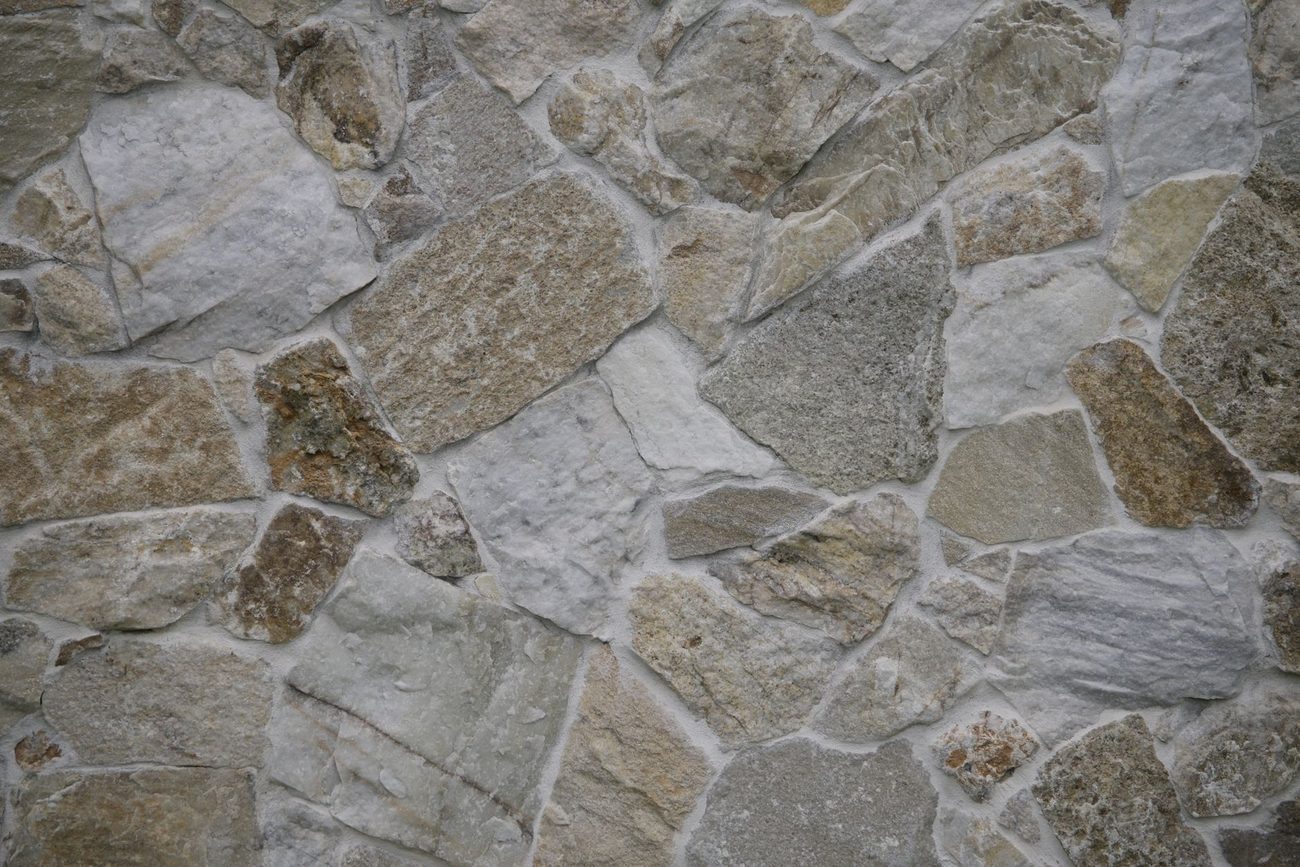
It's the stone retaining wall along the side of our garden, about six metres long and 1.1 metres high, holding the garden up above the gennel. After the wet winter it began to lean. In February I noticed a bulge about halfway along. In April Matt held a level against it and the top had moved about seven centimetres out of line. In June, one afternoon, a stone dropped off the top into the gennel with a clack. Nobody was in the gennel. That was the afternoon I stopped saying it was a wet-weather thing.
Whose wall is it
The first question was whose problem it was. The answer was in the 1936 conveyance, the same document that gave us the chief rent, which says the owner of our plot looks after the retaining wall "to the passage". Our wall, then, and our problem. I also read the buildings policy wording, and gradual movement of a retaining wall wasn't covered, which didn't surprise me, but I would rather have read it than assumed it. If it had come down onto a public passage with someone in it, I don't want to know what that conversation would have been like.
Two quotes
We got two. The first was £3,650 from a landscaping firm that would take the wall down, pour a concrete footing and rebuild it in mortared stone. The second was £2,900 from a local dry-stone waller, who would rebuild it in the same stone with no mortar and a layer of drainage behind. I went in assuming the dearer one was the safer one. The waller walked the length of the wall with a hand on it and explained that somebody had pointed it in hard cement years ago, probably in the 1960s, so water coming through the bank behind had nowhere to go except to push. "A wall like this wants to breathe," he said. "Yours has been holding its breath." As for whether it would stand another winter, he said he couldn't tell me and neither could anyone who claimed to.
Here is what I'd change. I saw the bulge in February, took a photo, said "wet weather" and did nothing for four months. He said that if he'd been called when the first stone shifted he might have rebuilt only the top courses. He wasn't sure, and he was kind about it. I'll never know.
Five days
Monday was the taking down, stone by stone, laid out in the gennel in rows by size. I put notes at both ends apologising, and the woman from the other block who uses it for her bins said "no hurry". On Tuesday he dug the footing to firm ground, about 30 cm down, and set the biggest stones as a base. He dug round June's red rose by the bottom step as if it were asleep, and it survived.
On Wednesday it rained all afternoon and the garden turned into a mud pit. Pickle came in looking like a different cat. I took my calls from the box room with the door shut, and when someone on the team asked about the noise I said "building". The wall went up in courses leaning back into the bank, with long stones laid through its whole thickness and the middle packed with small ones. Matt spent his holiday week carrying stone and asked a question every eleven minutes, about half of which got a "good question". On Thursday 30 cm of clean crushed stone went in behind it, against a membrane. On Friday the cope stones went on, and the waller swept the top and stood back with his arms folded for a long time.
What it cost
£2,900, with £500 to book him and the rest on the Friday. The money came from three places: the house fund, which had £175 in it, the kitchen fund so far, £750, and £1,975 out of the emergency fund. In December 2024 I wrote that fund in red and said I would never touch it. I touched it. I did not enjoy signing that off, but a leaning wall over a public passage seemed to me to be what it was for. The house fund's £200 a month now goes back into it until it's £3,000 again, which should be around the middle of next year, and the kitchen fund starts again from nothing.
Brew count: 15.