£6,900, £7,800 and £11,400. I typed them into a row at 9.40pm on Tuesday 28 April and then looked at the cupboard door under the sink, which has come off its hinge twice this month. The painted kitchen from last spring has a year or two left in it, and neither of us had said so out loud.
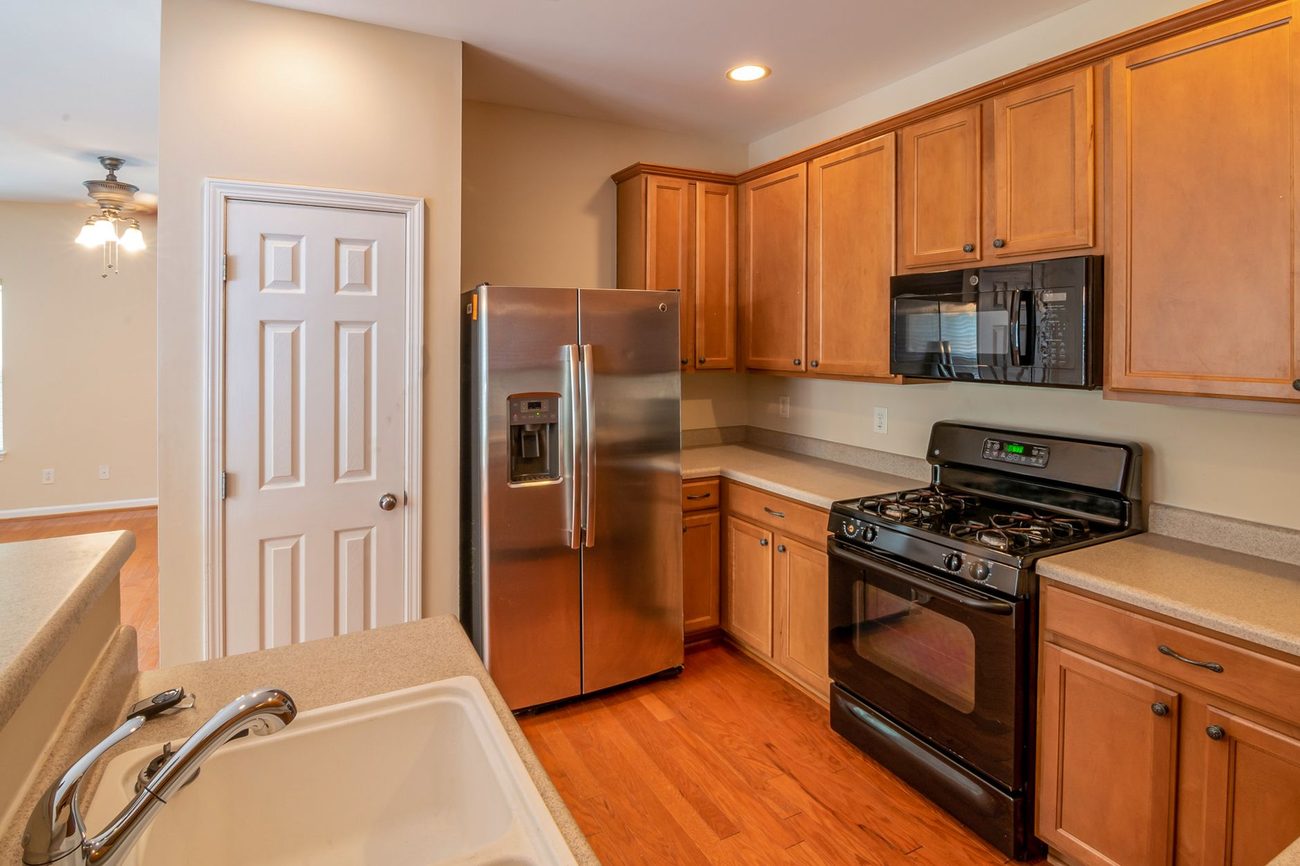
The 1990s units are chipboard, and the edges round the sink have swollen like wet biscuit. In March a drawer base gave way when Matt reached in for a colander. We spent £1,160 on the refresh in 2025 and I still think it was money well spent, but we always said we'd do a proper kitchen in 2027. This was the month I wanted real numbers.
Three quotes, three kinds of quote
The £6,900 one was a trade supplier for the units, designed in a 40-minute appointment, plus an independent fitter a colleague of Matt's recommended. The £7,800 came from one of the big DIY chains and covers units and appliances only. Their fitting service was quoted separately at about £1,950, which puts that one near £9,750 before anyone has picked up a spanner. The £11,400 was from a local kitchen company and includes everything: design, units, fitting, their own electrician and plasterer, soft-close fittings throughout and a project manager who answered the phone.
I wasn't trying to pick a winner so much as work out what the money is for. The itemised £6,900 quote broke down roughly like this:
- Units and doors: £2,350
- Worktops: £880
- Appliances (oven, hob, extractor, a dishwasher): £1,380
- Sink and tap: £310
- Fitting: £1,200
- Electrics: £520
- Plastering and making good: £260
The surprise was how much goes on things you will never see in a photograph. Fitting, electrics and plastering come to £1,980, about 29% of the quote. The electrics are a registered electrician's job: a new feed for the oven, extra sockets, and the under-cupboard lights moved. I would happily have put that money into better doors, but nobody has found a way to fit a kitchen without paying someone to fit it.
Keeping the layout
Matt's first question was whether we could move the sink under the back window. The local company priced that at about £950 extra for pipework and a new waste run, and said it was a sensible price. We keep it where it is. The boiler lives in a wall cupboard at one end of the room and isn't moving either, so the whole kitchen is designed around two things that cost real money to shift. Same layout as the painted one, and I've stopped pretending it's a compromise.
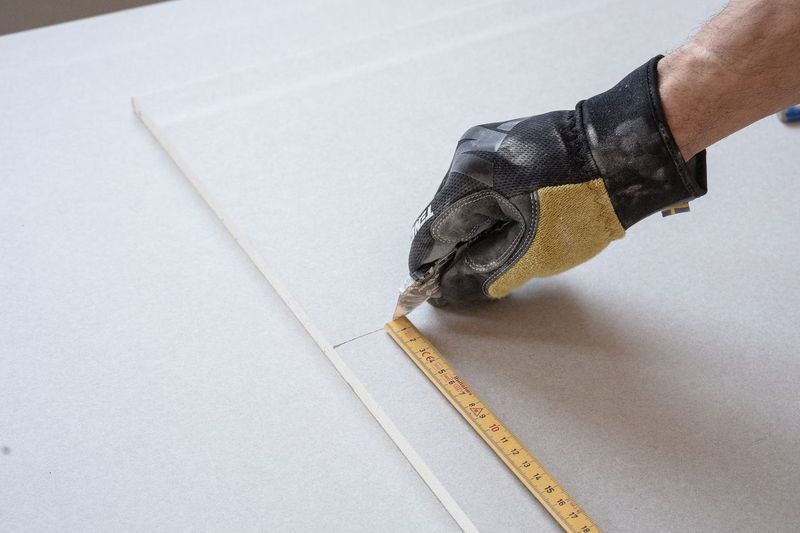
My mistake with the chain's designer was that I'd measured the room once, at skirting height, and sent her the number. Matt took the tape to it at three heights and found the room is 18 mm narrower at the top of the back wall than at the skirting, so one of her 600 mm units would not have fitted next to the boiler cupboard. I'm the one who owns a spreadsheet. He's the one who owns a ruler.
Paying for it
From next month we'll put £250 a month into a separate kitchen fund, on top of the £200 house fund that carries on as before. By the end of this year that's £2,000. By Matt's summer holiday in 2027, with fifteen payments, it's £3,750, which is just over half the cheapest quote. We could close the gap by waiting until the autumn, choosing cheaper worktops or letting the house fund top it up if nothing else breaks. We aren't putting a kitchen on a credit card.
The target is the summer of 2027, so that Matt is home while the fitter is in. The £1,160 we spent in 2025 has bought roughly two years of kitchen, which works out at £48 a month. I've decided to call that good value.