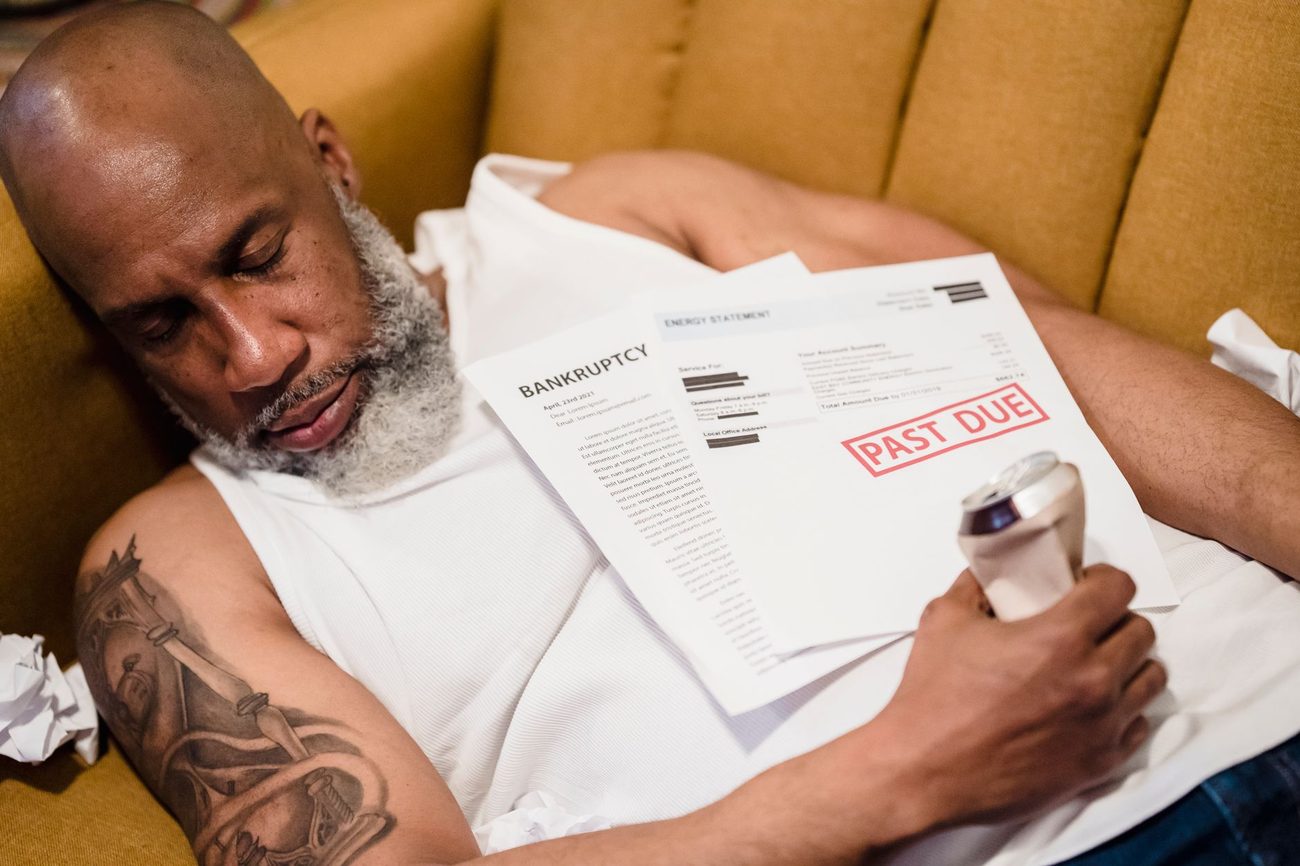
The first energy bill came by email at 6.52am on Monday 3 March, and I read it standing in the kitchen in my dressing gown with my first tea of the day going cold in my hand. £186.40, for the period from 1 February to 3 March. I read it twice. Then I went and looked at the radiator in the hall, as if it had personally let me down.
What was on it
The bill showed 1,410 kWh of gas and 214 kWh of electricity. Working backwards from the rates, that came to roughly £94 for gas, £57 for electricity and £26.50 in standing charges, with 5 per cent VAT on top. February had been properly cold, the house had been standing empty for most of a year, and we had been heating a building that had forgotten what warm felt like. None of this was a surprise, but the number still made me wince. The standing charges were the bit that annoyed me most: £26.50 for the privilege of being connected, before we had boiled so much as an egg.
I checked the opening readings on the bill against my photos from the first afternoon. They matched to the digit, which was the only part of that morning that gave me any pleasure. It's the reason I'd photograph a meter again tomorrow.
We had been on what's called a deemed contract since the day we got the keys. When you move into a home and don't choose a supplier, the one already serving the address puts you on its standard variable rates. There's no fixed term and there are no exit fees.
Ofgem's price cap limits those rates, set every quarter, but it limits the price per unit and the daily standing charge, not the size of your bill. In the quarter we were in, that worked out at roughly 6p to 7p a kWh for gas and 25p to 27p for electricity, plus the standing charges. A cap on rates won't stop a cold February costing money.
Choosing a fix
I'd been looking at fixed deals since the second week of February, and the bill just turned that into a decision. I used a couple of comparison sites accredited by Ofgem and the suppliers' own pages, and I set myself two rules: 12 months, and no exit fees. I wanted to be able to leave if prices fell, without paying for the privilege.
The fix we picked was a little under the cap on unit rates. The saving, honestly, wasn't dramatic, and that wasn't the point. What I was buying was a year in which I knew what a unit of gas would cost.
We signed up on the Monday evening, after tea, in about twelve minutes. The new supplier said the switch would take around a week, and it took exactly that: it started on 10 March, thirty-eight days after we got the keys. Nobody came to the house and nothing was disconnected.
The direct debit is £119 a month, set from their estimate of what we'd use. I suspect that figure will be revised, and I've put a note in my diary for the autumn to see how it looks.
Readings, again
On the morning of the 10th I photographed both meters again, at 7.40am, with the torch in my teeth, and sent the closing readings to the old supplier and the opening readings to the new one. That's the habit the first day gave me. It took four minutes, and it means nobody will ever have to guess where our meter was on a given morning.
What I'd change is the timing. I waited for a bill because I wanted real numbers before I committed to a price. What I learned from the bill was that February is cold. As far as I can tell, you can start shopping for a fix on the day you move in, and if I did it again I'd do the comparing in the first week and let the bill catch up with me.
The new supplier offered us a smart meter as part of the sign-up, and we've booked the earliest slot, on 8 April. Until then I'm reading dials by torchlight, which suits me fine. I like a number I can see.