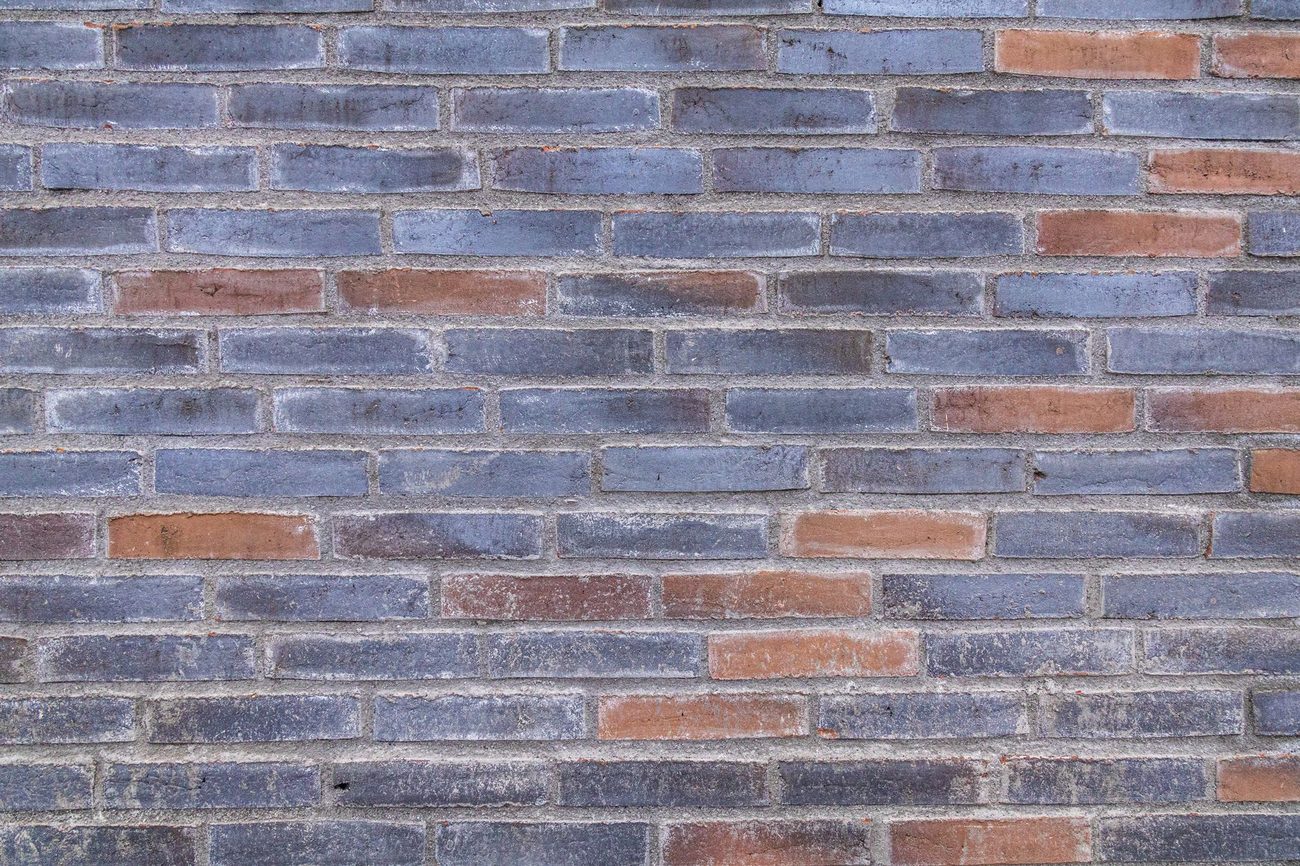
The first thing on the little screen was a spider. At 10.40am on Friday 3 October a thin black cable with a camera on the end went into a 22 mm hole in the mortar of our gable wall, and a very surprised spider looked back at us out of the cavity. "Don't worry," said the man holding the cable, "he's not paying rent." Matt and I crowded round his tablet as if it were the football results.
Our energy certificate from the sale said the walls were cavity with "partial insulation (assumed)". That one word, assumed, had been nagging at me since the summer. A company that extracts and refills cavity walls had quoted £2,600, and I realised I was halfway to spending that on the strength of a sales visit without knowing what was actually in the wall. So I paid £95 for somebody with nothing to sell to take a look.
What the camera found
He drilled five holes, each about the size of a pound coin: three in the gable, one at the front and one at the back. At each one he fed the camera in and looked up, down and sideways along a cavity about 50 mm wide. The front and back walls were mostly full of grey-white mineral wool, blown in, he reckoned, in the 1980s. It looked tired, but it was there.
The gable was different. Near the top, under the eaves, the wool had slumped like a sagging duvet and left a gap of roughly 30 cm where there was nothing but bare brick on the inside face. At the bottom there was a drift of mortar crumbs and brick dust in the base of the cavity, left from when the house was built. Up by the back corner the wool was damp, which fits the leaking gutter I wrote about at the end of September. He said it should dry now that the gutter has been fixed, and that I shouldn't judge the wall until it has had a month or two.
The view of someone with nothing to sell
This was the part I'd paid for. He said the gable is the most exposed wall on the house. Wind-driven rain comes in off the valley and hits it full on, and Sheffield is hilly and wet, so it takes a battering. Pumping new insulation into a cavity that takes that much weather isn't always a good idea, because it depends on how exposed the wall is, and a refill doesn't cure a damp patch by itself. As I understood it, for that one wall he would sooner insulate from the inside than pull the old stuff out and put new in. He wasn't telling us never to fill a cavity, only that this wall, on this hill, wasn't an obvious candidate. If we ever do go ahead, he said, ask the installer who stands behind the guarantee and what they've assumed about exposure.
The front and back walls, where the wool is doing its job, are a different question, and we may come back to them. Nothing he saw there suggested £2,600 of work was urgent.
What we decided
We're leaving the cavity alone for now. Paying £2,600 to take out insulation that mostly works and put new in the wall that suits it least seemed the wrong way round. The cold bit of the house is the back bedroom gable, and the answer for that room is probably insulation on the inside face. I'll get that costed after Christmas. In the meantime the gutter is fixed, a cheap hygrometer sits on the back bedroom windowsill, and the plan is to watch the numbers through a few wet weeks.
What I'd change is the order. I let the extraction firm into the house first, and their visit had me halfway convinced that £2,600 was the answer before I'd asked the question. If I did it again, the £95 look would come first, and I'd put the quote in the drawer until I'd seen what the camera found.
He filled the five holes with mortar before he left, and they're hard to spot now. I can still find three of them if I know where to look. So far the wall has cost us £95 and a rethink, which makes it the cheapest I've ever been talked out of £2,600.