A scrape and a bang on the front of the house at 8.15am on Tuesday 14 October meant the roof ladder was going up against the eaves. I'd swapped my office day for a home day so somebody would be in, and I sat in the box room with a coffee, listening to two men walk across our tiles with the unhurried tread of people who do this for a living. Then came the sound of metal being tapped into place, and a voice saying "pass us that, will you."
Our chimney hasn't had a fire in it for decades. The old gas fire was taken out long before we arrived, the pipe behind the fireplace is capped and has been checked by a Gas Safe engineer, and the two pots on our half of the shared stack have simply stood open to the weather ever since. The survey gave the unused chimney a condition rating of 2, and after the September gales I found a little drift of soot and grit on the hearth, which settled it for me.
Capped, but not sealed
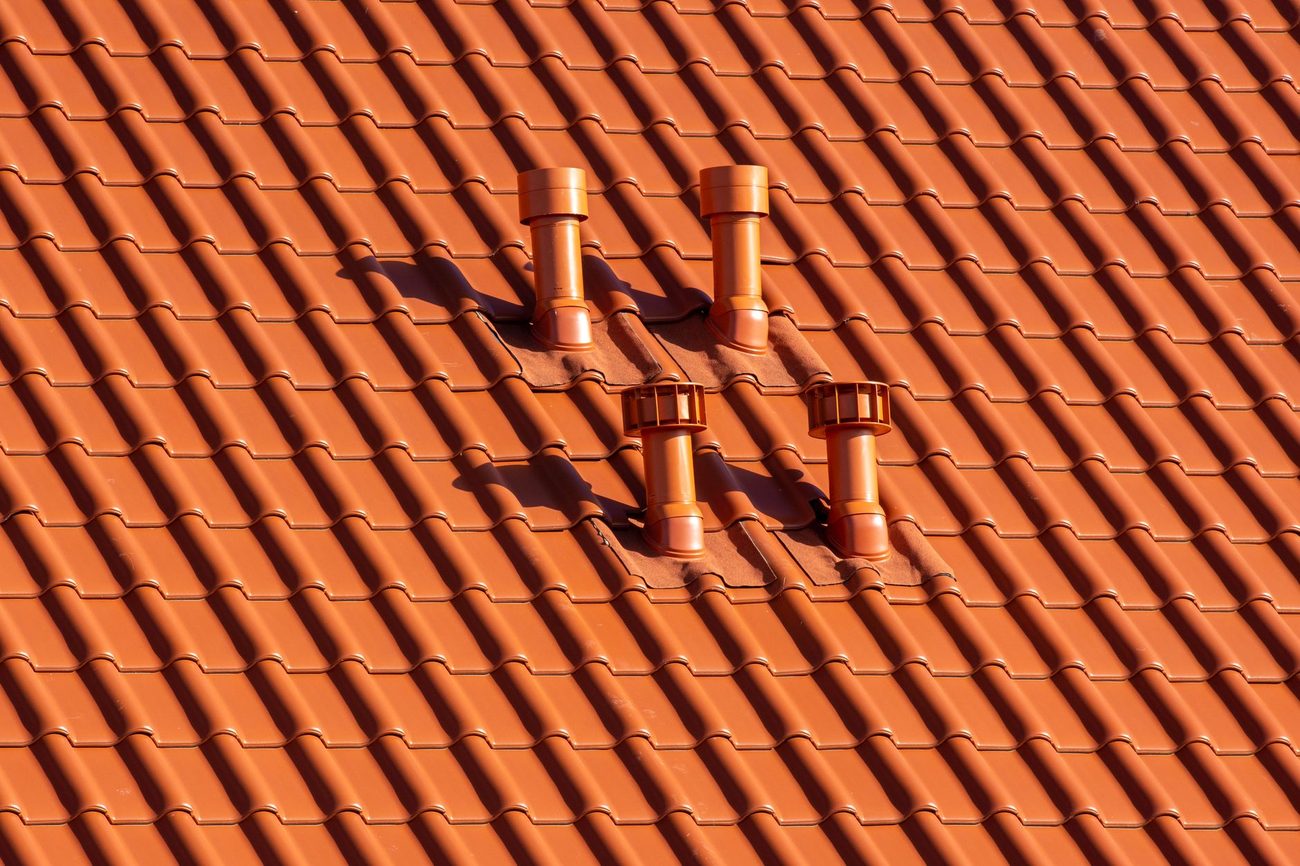
I'd assumed that capping a chimney meant blocking it. The roofer, who is the same man who did our tiles in April and the gutter last month, explained that a flue shut tight at the top just traps damp air inside. That moisture can turn into damp patches on the chimney breast and brown stains coming through the plaster and wallpaper. A ventilated cowl is a sort of metal hat with a gap round the rim. It keeps out rain, birds and stray sticks but lets air move through.
For that to work, air has to be able to move at the bottom too, so a chimney that's capped at the top and also stuffed at the bottom is no better than a sealed one. We have a small vent in the fireplace and another in the back bedroom's chimney breast, and both need to stay open. That's what the roofer told us for our chimney. What suits yours depends on the lining and on whether anything is connected to it, so ask a roofer or a chimney specialist rather than copying a blog.
What the £340 covered
The bill came to £340. The two cowls were about £25 each, if I remember the invoice right. The rest was two men for around two and a half hours, a roof ladder laid across the tiles so they could reach the stack safely, and a bag of mortar to re-bed the left-hand pot where the old mortar had cracked. He took photos from up there, which I always appreciate, because I'll never see that part of my own roof. From the left-hand pot he pulled a bundle of sticks and a very old crisp packet. A jackdaw had been house-hunting, and I have decided to find that funny.
Nine months in, it's still surprising how much of the house's history turns out to be sitting in odd places. Dennis lived here for 45 years, and I suspect the pots were the last thing he ever thought about.
The vent I painted shut
The thing I'm embarrassed about is that when I painted the back bedroom in May, I painted straight across the small vent in the chimney breast. The slots were full of magnolia. I only found out when the roofer asked on his way out whether we'd checked the vents inside, and I went upstairs and looked at it with fresh eyes. It took a cocktail stick and an old toothbrush that same afternoon to clear, and the vent in the fireplace was fine. Next time I paint that room, the grille gets masked first.
If that vent had stayed painted shut, the new cowls would only have been doing half their job. I'd like a note in the spreadsheet that says "do not paint the vents", but the house tab has no column for that.
I met Maureen on the pavement as the van pulled away. She looked up at the stack and shaded her eyes. Hers went on in 2009, she said, and she has the receipt in a biscuit tin somewhere. "Yours look like they're wearing little hats," she said, which from Maureen is high praise.